

Best Things to Do in Segovia – One-day trip from Madrid
Are you searching for the best things to do in Segovia during a day trip from Madrid?
Don’t overlook any of the must-see attractions. Keep reading my Segovia Travel Guide for the ultimate one-day trip experience.
Is it worth spending one day in Segovia from Madrid?
Yes, it is. It is not a coincidence that thousands of both local and foreign tourists choose to spend one day in Segovia.
Rich in charm and history, Segovia has been a UNESCO World Heritage City since 1985. You will discover numerous distinctive activities to enjoy in this historic Spanish city.
In my opinion, Segovia is one of the most beautiful cities in the world and should be a must-see on your trip to Spain. It is the perfect destination for a one-day trip from Madrid!
There is a wide offer of things to see in Segovia. Few cities boast such an abundance of artistic and monumental richness, along with a remarkable variety of cultural offerings.
Segovia isn’t just renowned for its monuments; it is also celebrated for its excellent gastronomy. Traditional dishes like roast suckling pig, leg of lamb, and La Granja beans are just a few examples of the city’s culinary delights.
Segovia is home to some of the world’s most unique landmarks, including the Roman aqueduct, the Cathedral, and the Alcazar.
Moreover, the city is easily navigable on foot, allowing you to stroll to the main monuments and other points of interest with ease.
How to get to Segovia

Segovia is located less than 60 miles (96 kilometers) from Madrid. Therefore, spending one day in Segovia is a must for most tourists visiting the capital of Spain due to the high number of historic landmarks.
The best ways to get to Segovia from Madrid are by high-speed train, bus, or car. Taking the bus is one of my favorite options, it is affordable, comfortable, and safe. If you opt for the train, the “Guiomar” station in Segovia is located on the outskirts of the city.
Another excellent option is to book a guided tour to Segovia from Madrid with a professional bilingual guide.
It is much more convenient for visitors as you don’t have to plan anything. The agency will handle transportation, and you will be picked up and dropped off at your hotel.
Moreover, the detailed explanations provided by the guide will enrich your experience and they will ensure you don’t miss out on any of the best things to do in Segovia.

A brief history of Segovia
Segovia is located on a promontory, making it easily defensible.
Although Segovia’s origins are believed to be Celtiberian, its peak prosperity came with the Roman Empire around the second century B.C.
The city was abandoned during the Islamic invasion of Spain centuries later until the Christian Reconquest, led by Alfonso VI, in 1088.
During the Middle Ages, Segovia reached its peak as a significant hub of textile trade. Many Gothic and Romanesque buildings were constructed, and the city’s cloth industry flourished.
Segovia became the seat of the Royal Court when Alfonso X The Wise established the Alcazar of Segovia as his residence. Additionally, Isabella I, also known as Isabella the Catholic, was crowned Queen of Castile in the church of San Miguel in 1474.
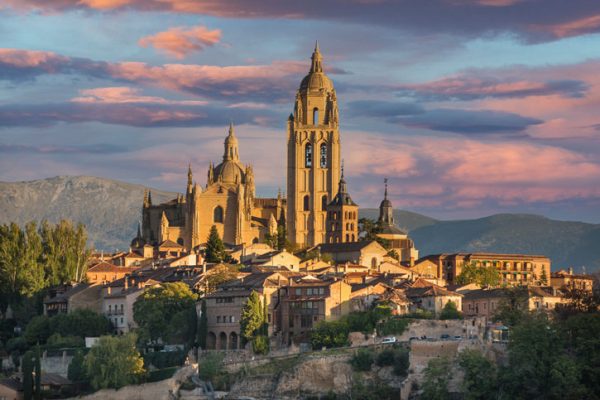
The Best Things to do in Segovia in one day
Segovia is home to some of Spain’s most impressive landmarks and monuments, all of which can be explored in just one day.
Its cultural wealth and proximity to the capital make it well worth a day trip from Madrid. You can follow my recommended itinerary to explore Segovia from Madrid.
The Segovia Tourist Card offers discounts on attractions, accommodations, restaurants, shops, and more.
This official tourist map will help you easily locate the best things to do in Segovia.
The Roman Aqueduct
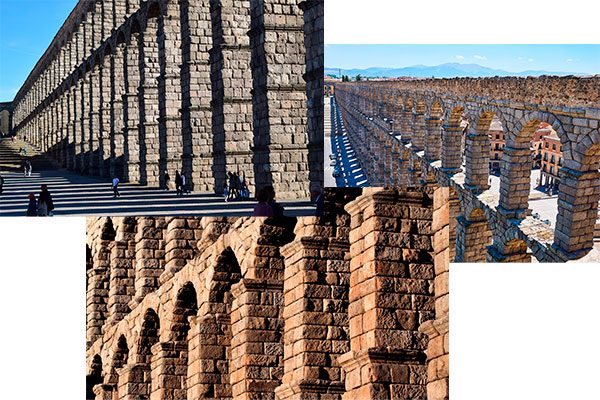
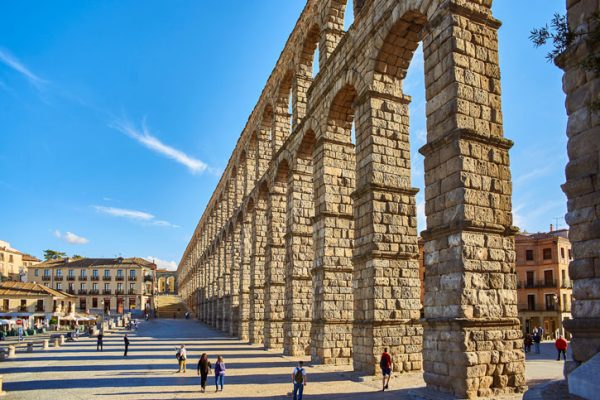
The Aqueduct is the symbol of Segovia and one of the most spectacular legacies of the Roman Empire in Spain. It was declared a UNESCO World Heritage Site in 1985.
The highest point of the structure reaches 28 meters at Plaza del Azoguejo. This area typically serves as the starting point for exploring the top-rated things to do in Segovia.
The Aqueduct is the most important architectural point of interest in Segovia, preserved in excellent condition.
This masterpiece of hydraulic engineering can be divided into three main stretches:
- The outer stretch where the water was collected and began its course to the city.
- The urban stretch is the elevated channel, masonry, and arches for channeling and distributing water.
- The final stretch continues beneath the streets of the historic quarter.
The approximately 25,000 granite blocks used in the construction of the monument were assembled without any mortar. They were raised using ropes, and the blocks were held together due to the ingenious equilibrium of forces.
Two niches can be found at the highest point, one on each side of the Aqueduct. One of them is believed to have housed the image of Hercules, who, according to legend, was the city’s founder.
The Segovia Cathedral
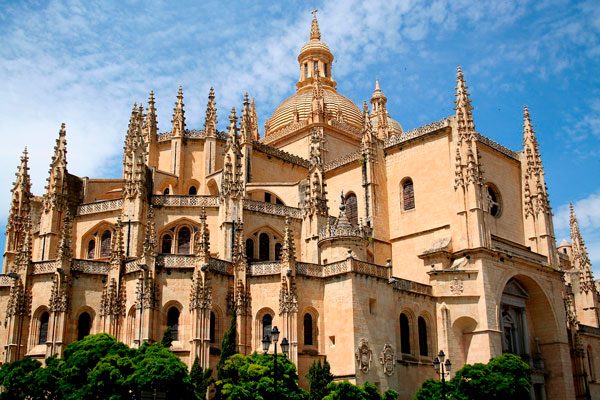
The cathedral is situated in the Plaza Mayor of Segovia and stands as one of the last Gothic cathedrals constructed in Europe. Exploring the Segovia Cathedral ranks among my top 10 things to do in Segovia.
Regarded as an architectural masterpiece, it is often referred to as “The Lady of Cathedrals” due to its grandeur and harmonious proportions. It is dedicated to the Virgin Mary.
Inside, the numerous stained glass windows and the Altarpiece, designed by Sabatini, are particularly remarkable. The choir still preserves the Gothic set of chairs of the old cathedral.
The bell tower, one of the most remarkable features due to its height, offers a panoramic view of the city. To the north lies the Door of San Frutos, constructed in the early 17th century in honor of the city’s patron saint.
The Cathedral archives preserve the first book printed in Spain, the Sinodal de Aguilafuente. Check the official website for actual information on hours and rates.
The Alcazar of Segovia
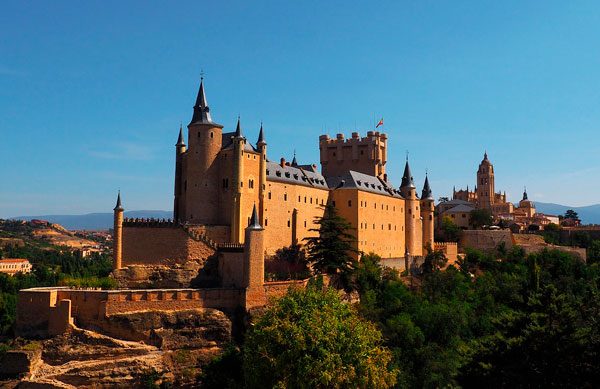
The Alcazar is, in my opinion, one of the most beautiful castles in Spain. The design of this fairy-tale castle inspired Walt Disney’s vision of the famous Snow White Castle. It’s definitely one of the best things to do in Segovia.
The earliest documented mention of the fortress dates back to the year 1120, constructed atop a rock for its original military purpose. Over time, it has served as a Royal Palace, a prison, a Royal Artillery College, and a military academy.
- I highly recommend climbing to the top of the tower for the magnificent views of the city, the Vera Cruz Church, and the El Parral Monastery. However, be aware that the 152 stairs are quite narrow.
Check the official website of this remarkable attraction in Segovia for current information on hours and rates.
The Segovia City Wall
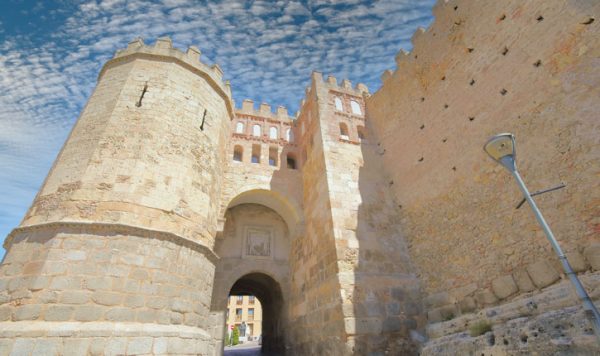
A significant portion of the medieval wall that once surrounded Segovia, starting from the Alcazar fortress, still stands today, retaining 3 of its original 5 gates: San Andres, San Cebrian, and Santiago.
An interesting fact is that while it was mainly built of granite blocks, gravestones from the old Roman necropolis were also used in its construction.
The San Andres Gate was the most robust and fortified of all the original gates, serving as a connection within the walls to the Jewish quarter.
One of my favorite things to do in Segovia is to climb up to the parapets, offering magnificent views of the Jewish quarter.
The Jewish Quarter
The first records of the Jewish population in Segovia date back to the 13th Century, when they coexisted peacefully with other communities.
In 1391, the Jews of Segovia were accused of attempting to desecrate a sacred form inside the Sinagoga Mayor. Consequently, they were compelled to reside in a specific part of the city, the first Jewish Quarter, until the expulsion decree issued by the Catholic Monarchs in 1492.
The Jewish Quarter is exceptionally well-preserved. Taking a leisurely stroll along these charming streets is one of the best things to do in Segovia on your day trip from Madrid.
Best Churches in Segovia
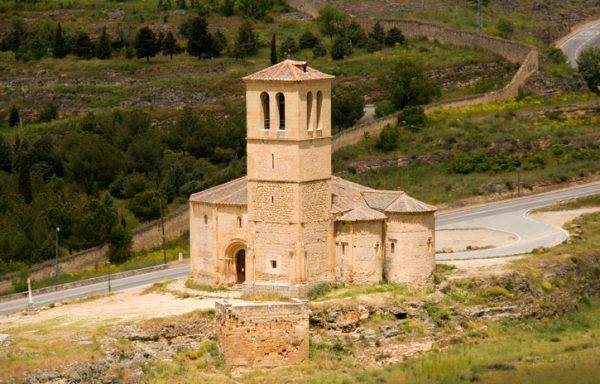
In my opinion, these are the best churches to visit if you spend one day in Segovia. Make sure to include all of them on your bucket list of the best things to do in Segovia.
- Church of the Vera Cruz. This Templar church of 1208 has a twelve-sided floor plan distributed around a central room. It is inspired by the Church of the Holy Sepulchre in Jerusalem.
- Convent of the Corpus Christi (Former Main Synagogue): It has been a sacred place for both the Christian and Jewish religions, as it was used as the principal of the five synagogues in the city until 1410. Nowadays, it houses a convent of the Order of Saint Clara.
- La Santisima Trinidad Church: Built in the mid-12th century, it is amazingly preserved. You will find inside a Gothic chapel and important artworks by Ambrosius Benson or Giacomo di Pontormo.
- San Esteban Church: The arcade and the tower were declared National Monument in 1896. It stands out for its beautiful tower of 56 meters, the highest of this style in the Iberian Peninsula.
- San Millán Church: One of the most important temples in Segovia, with a beautiful tower built in the 11th century. Inside, It is worth contemplating the Romanesque-style main altar.
- San Juan de los Caballeros Church: This Romanesque-style church belongs to the late 11th century. Currently, it houses the museum of the Zuloaga family, with a collection of ceramic pieces and documents.
- San Justo Church: Close to the Aqueduct we can find a hidden jewel of the Romanesque architecture. The collection of magnificent paintings in its apse is noteworthy.
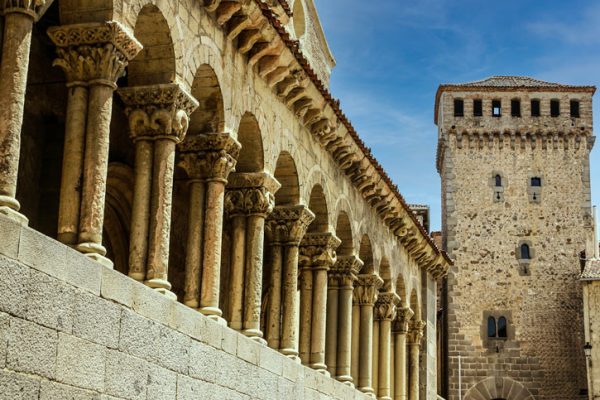
- San Martin Church: Famous for the Mudéjar tower and the arched gallery. On the inside, it exhibits a Flemish Gothic chapel.
Top-rated Museums in Segovia
Exploring the best museums is one of the main things to do in Segovia:
- Antonio Machado House. This is the boarding house where the poet Antonio Machado stayed for 12 years. The house still retains its original furniture, and the room he occupied remains untouched.
- Esteban Vicente Museum of Modern Art. It houses an exceptional collection of works by Esteban Vicente, the only Spanish member of the first generation of the New York School of American Abstract Expressionism.
- Museum of Segovia. The collection comprises approximately 1,500 exhibits spanning archaeology, ethnology, and fine arts. Noteworthy highlights include Celtiberian statues, Roman mosaics, and coin collections.
- Royal Mint. Built by Juan de Herrera in the 16th century, it also houses the Aqueduct Interpretation Center. The Royal Mint still retains its hydraulic infrastructure intact and is the oldest surviving example of industrial architecture in Spain.
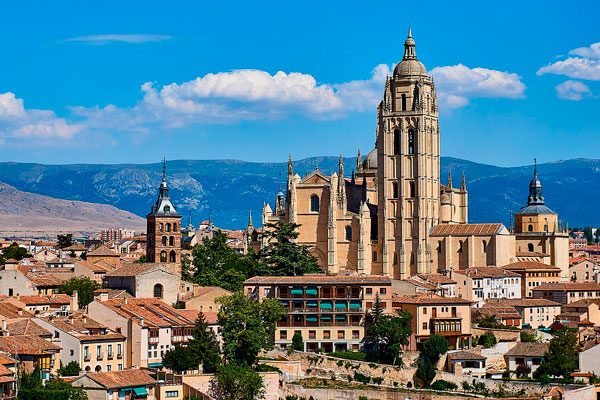
Traditional foods in Segovia
After all this sightseeing, you are likely to be quite hungry. Tasting some of the gastronomic specialties is one of the most popular things to do in Segovia.
There are plenty of restaurants throughout the city, particularly in Plaza del Azoguejo and near Plaza Mayor, where you can savor the local cuisine on a terrace while enjoying the fine weather in Segovia.
The suckling roast pork in the Meson de Candido and José María restaurants is famous around the world.
It is a tradition to carve the crispy skin of the pork with the side of a plate in front of the customers as it comes out of the oven.
The popular Segovian recipe for suckling roast pork mainly relies on the quality of the product itself, with just the addition of salt and pepper as condiments. This showcases the top quality of the raw materials.
While roast suckling pig is the most renowned gastronomic attraction of Segovia, suckling lamb and the giant white beans of La Granja are also excellent choices.
Traditional sweets and desserts are a must-try. Don’t miss out on the famous ponche Segoviano, a sugar-glazed cake.
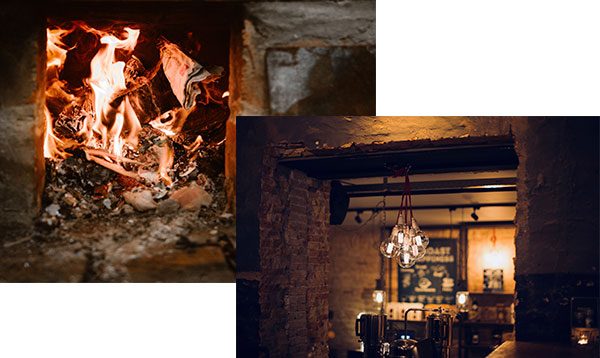
Best restaurants in Segovia
There is a wide range of restaurants in Segovia where you can eat all the local specialties as well as other typical Spanish dishes.
If you are unsure where to eat in Segovia, here are my recommendations for the best restaurants in Segovia:
1. Mesón de Cándido
In the shadow of the aqueduct, Mesón de Cándido is renowned worldwide for its roast suckling pig.
As he presents the cooked piglets, he carves them with the edge of a plate. This ritual, which currently has become a tradition, helped promote the business and contributed to its global fame.
2. José María
Close to the Plaza Mayor, José María Restaurant is one of the best places to eat traditional food in Segovia due to the great quality of the service and the raw materials.
To obtain the finest suckling pig in Spain, José María established his own breeding farm using raw materials of exceptional quality. Vegetarian options are also available on the menu.
3. El Bernardino
El Bernardino, in Calle Real, between the Aqueduct and the Cathedral, was founded in 1939 and is one of the oldest restaurants in the city.
The restaurant combines the traditional cuisine of Segovia with modern culinary techniques, always utilizing exceptional local products. At El Bernardino, the tradition of suckling pig in Segovia is preserved.
4. Taberna López
Taberna López is located in the San Lorenzo neighborhood, away from the most touristic areas.
The 15 minutes walking from the Aqueduct are worth it due to excellent traditional and homemade cuisine and the high quality of the service.
Guided Tours in Segovia
There is not a better way to discover the best things to do in Segovia than on a guided tour. In addition to my favorite free tour in Segovia, here are the best tours if you are spending one day in the city:
Hot-Air Balloon Ride over Segovia

You can enjoy bird’s-eye views of the best landmarks in Segovia, such as the Aqueduct, the Cathedral, and the Alcazar. The captivating explanations provided by the guide will enhance the experience even further.
You will feel the adrenaline rush as your brightly colored hot-air balloon is inflated, when you climb into the balloon’s basket, and as you start to ascend into the air while hearing the roar of the gas flame.
The one-hour ride over one of the best-preserved Roman aqueducts in the world, and the rest of the historic constructions, is one of the best things to do in Segovia. To conclude the trip, you will receive souvenirs including the tour video in HD, a photo, and a flight certificate.
After the hot-air balloon ride over Segovia, you will enjoy a typical Spanish brunch and a glass of sparkling cava.
Segovia and Toledo Full day trip
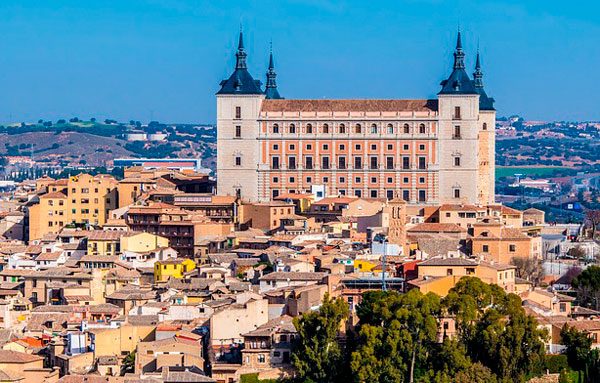
This full-day tour visits 2 UNESCO World Heritage-listed cities in one day: Segovia and Toledo, departing from Madrid.
You will enjoy the convenience of comfortable round-trip transportation and gain valuable insight into the history and culture of these historic cities from a professional guide who speaks English.
Visitors will discover the most remarkable landmarks of Segovia, previously mentioned in this post, and Toledo’s top attractions.
At the end of the day, return to your vehicle, and relax during the journey back to Madrid, where the Toledo and Segovia tour concludes.
Segovia and Avila Full day trip
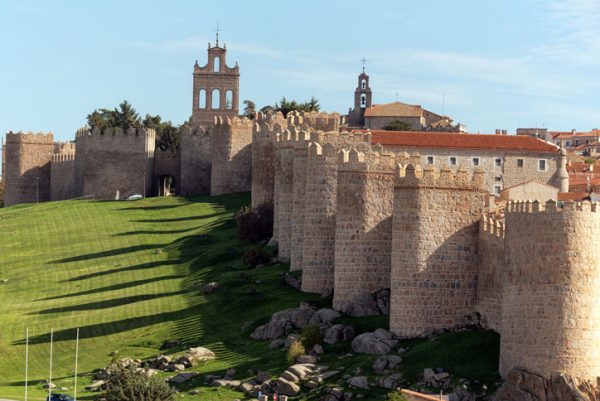
Visitors will have the opportunity to explore these 2 sensational cities on a guided walking tour in English. Avila is a beautifully preserved medieval city that was the birthplace of the Spanish mystic Saint Teresa in the 16th century.
Stroll through the ancient streets of Segovia and Avila, where you will visit the Basilica de San Vicente, the 12th-century cathedral, and the stunning 11th-century walls surrounding the city.
At the end of the day, return to Madrid where your Avila and Segovia tour concludes at the starting point.
Final Words
I hope you have enjoyed this post highlighting the main things to do in Segovia. While you can certainly do the trip to Segovia on your own, I strongly recommend booking a tour from Madrid with hotel pickup and drop-off.
Keep reading my Madrid travel guide to discover other remarkable points of interest to visit on your trip to Spain. For example, visiting Aranjuez should be a must for every tourist in Madrid.
SPREAD THE WORD! PIN THIS TO YOUR TRAVEL PINTEREST BOARDS ↓
If you found my post useful, would you consider sharing it on Pinterest? Click the “Pin It” button to share the full-sized version of the below images.
