
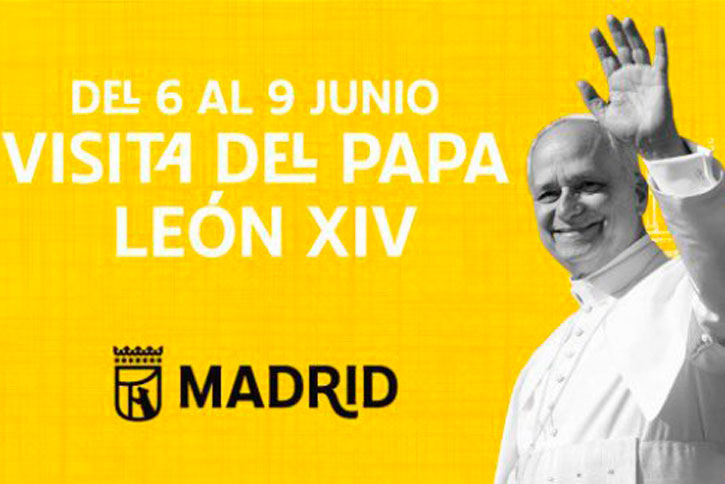
Madrid is getting ready for one of the biggest international events of the year. From June 6 to June 9, 2026, Pope Leo XIV is expected to visit the Spanish capital in what will be his first official trip to Madrid since becoming head of the Catholic Church.
The visit is already generating enormous excitement across Spain and internationally, with hundreds of thousands of pilgrims, tourists, journalists, and visitors expected to arrive in the city for several days of public events, celebrations, and religious ceremonies.
But beyond its religious significance, the visit is also shaping up to become a major cultural and tourism event for Madrid, one that will transform the atmosphere of the city and place the Spanish capital firmly in the global spotlight.
A City Preparing for a Global Event

According to official announcements, Pope Leo XIV’s visit will include several large public appearances across Madrid, including a major open-air mass in Plaza de Cibeles, youth gatherings near the Santiago Bernabéu area, and events hosted at the Movistar Arena.
In recent weeks, local authorities have already begun preparing special security and mobility plans. Madrid residents can expect:
- temporary road closures,
- modified Metro schedules,
- increased police presence,
- and crowd-control measures in central districts.
For visitors, however, this also means a unique opportunity to experience Madrid during an extraordinary moment in the city’s modern history.
The atmosphere is expected to resemble other major international gatherings hosted in Madrid in recent years — festive, energetic, multicultural, and highly photogenic.
Madrid’s Most Iconic Areas Will Become Event Stages
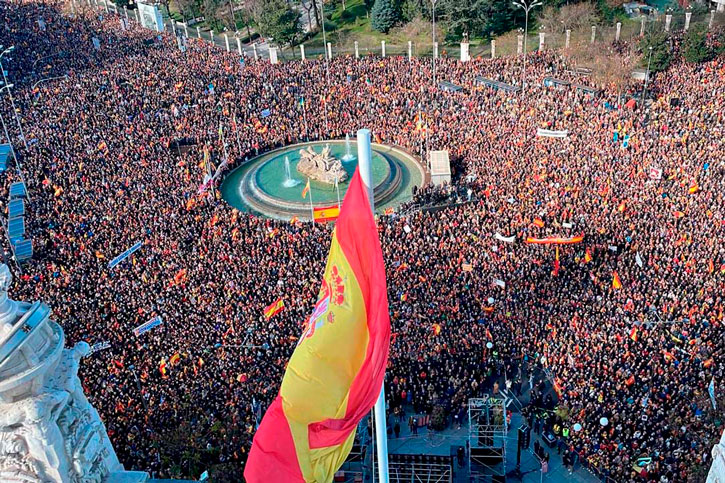
One of the reasons this visit is attracting so much global attention is the setting itself.
Unlike isolated conference venues or stadium-only events, many of the Pope’s appearances will take place in some of Madrid’s most famous public spaces. Areas such as:
- Plaza de Cibeles,
- Gran Vía,
- Paseo de la Castellana,
- Plaza de Colón,
- and surrounding boulevards
will likely become gathering points for visitors and pilgrims throughout the weekend.
This creates an unusual and visually spectacular combination of:
- historic architecture,
- massive crowds,
- international media coverage,
- religious symbolism,
- and Madrid’s vibrant urban energy.
For photographers, travel bloggers, and visitors interested in documenting major world events, the city could offer some unforgettable scenes.
Tourism in Madrid Is Expected to Surge

Hotels, restaurants, and tourism businesses are already preparing for a sharp increase in demand during the visit.
Travel experts expect:
- higher hotel occupancy rates,
- increased flight bookings,
- and heavy activity in central tourist neighborhoods.
Areas such as Sol, Salamanca, Chamberí, and Atocha are likely to be especially busy due to their proximity to major event locations and transport connections.
For international travelers, the timing of the visit may also be appealing because early June is one of the best periods to visit Madrid. Temperatures are usually warm but still comfortable, outdoor terraces are fully active, and the city’s parks and boulevards are at their most attractive.
In other words, visitors attending the papal events will also experience Madrid during one of its most enjoyable seasons.
What Travelers Should Know Before Visiting
If you are planning to visit Madrid during Pope Leo XIV’s trip, preparation will be essential.
Book Accommodation Early
Hotel prices in central Madrid are expected to rise significantly closer to the event dates. Booking several weeks or months in advance is highly recommended.
Expect Large Crowds
Even travelers not directly attending the religious events should expect heavy pedestrian traffic in central areas, especially around Cibeles, Castellana, and Gran Vía.
Use Public Transportation
Madrid’s Metro system will remain the best way to move around the city, although some stations may experience temporary closures or controlled access during peak events.
Plan Flexible Sightseeing
Museums, restaurants, and attractions will remain open, but visitors should allow extra time for transportation and security controls.
More Than a Religious Visit

Although the visit is primarily religious in nature, events like this often become much broader cultural moments.
Madrid is a city that thrives on public life. Large gatherings quickly transform into social experiences where locals and visitors share public spaces, terraces, parks, and celebrations together.
That is one reason why many travelers may find the experience appealing even if they are not religious themselves. Being in Madrid during a globally significant event offers a chance to see the city operating at full intensity — full of people, energy, media attention, and emotion.
It also reinforces Madrid’s growing role as one of Europe’s leading cities for international events.
A Special Cultural Event: “The White (and Yellow) Night” in Madrid
One of the most unique and unexpected initiatives linked to Pope Leo XIV’s visit will be a special cultural program called “The White (and Yellow) Night”, taking place during the night of Saturday, June 6 into Sunday, June 7.
As part of the celebrations surrounding the Pope’s visit to Spain, 15 museums and cultural institutions across Madrid will open their doors free of charge with extended late-night hours, allowing both pilgrims and visitors to experience the city in a completely different way.
The initiative has been organized with the participation of national, regional, and municipal cultural institutions, and aims to highlight the artistic and cultural dimension of the papal visit.
Madrid Continues Its International Momentum
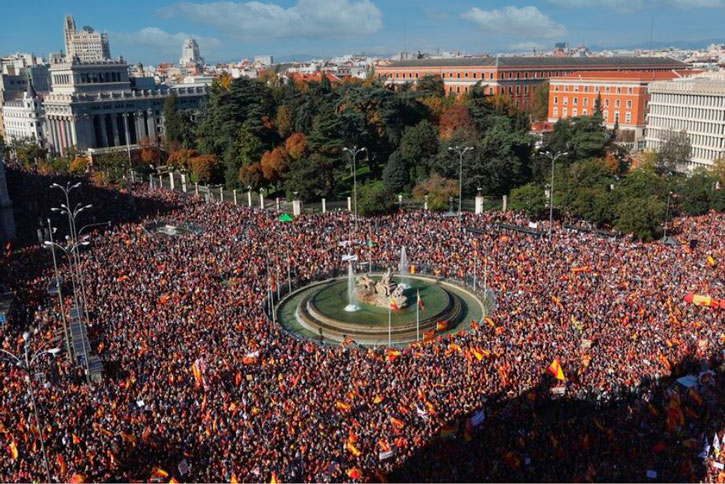
The visit of Pope Leo XIV comes during a period in which Madrid is increasingly positioning itself as one of Europe’s most dynamic destinations.
In recent months, the city has hosted:
- major sporting events,
- international concerts,
- luxury brand openings,
- cultural festivals,
- and large-scale public celebrations.
The papal visit adds another layer to this momentum, bringing together tourism, culture, international attention, and public spectacle in a way few cities can replicate.
For travelers planning a European trip in 2026, Madrid may offer something particularly rare, the chance to experience both a world event and one of Europe’s most vibrant capitals at the same time.
And whether visitors come for the ceremonies, the atmosphere, or simply curiosity, one thing seems certain: Madrid is preparing for a historic few days.